I find perhaps the greatest reason for me to believe the Return of Christ is nearer today than any presupposed time before is that at this time across our globe, we—as people—are more like the three figures present in Christ’s birth.
The Shepherd’s— the poets and pagans, lost and searching for something miraculous.
The Wise Men— the philosophers and intellectuals hungry for knowledge and science.
And Herod— the murderous and demoniac who sees and feels his world being ripped from underneath him.
The Shepherd is a simpleton who is fine being simple and sees and seeks the beauty in the world. To him, it displays the miraculous; and in his pagan view sees the gods, faeries, and mysticism all around.
The Wise Men are philosophers who ask why and never stop.
Both search the world over, and both are represented in the history of the Greeks—the mystic scholars.
And both found their answer in the cave with a baby born of a woman, requiring breast milk and tender care; while also God Incarnate and full of supernatural wisdom.
I see much of Greece in our world today. It is in this, foremost, why I see the end of this chapter approaching—or perhaps the beginning of an uglier one.
Herod is here. And by his malevolent decree, all newborns were slaughtered under the demonic worship of Moloch; his power being upended by God in the Cave. And as his hatred for Truth grew, gnawing and foaming at the mouth, he sought to destroy Life and Truth in the name of Humanity.
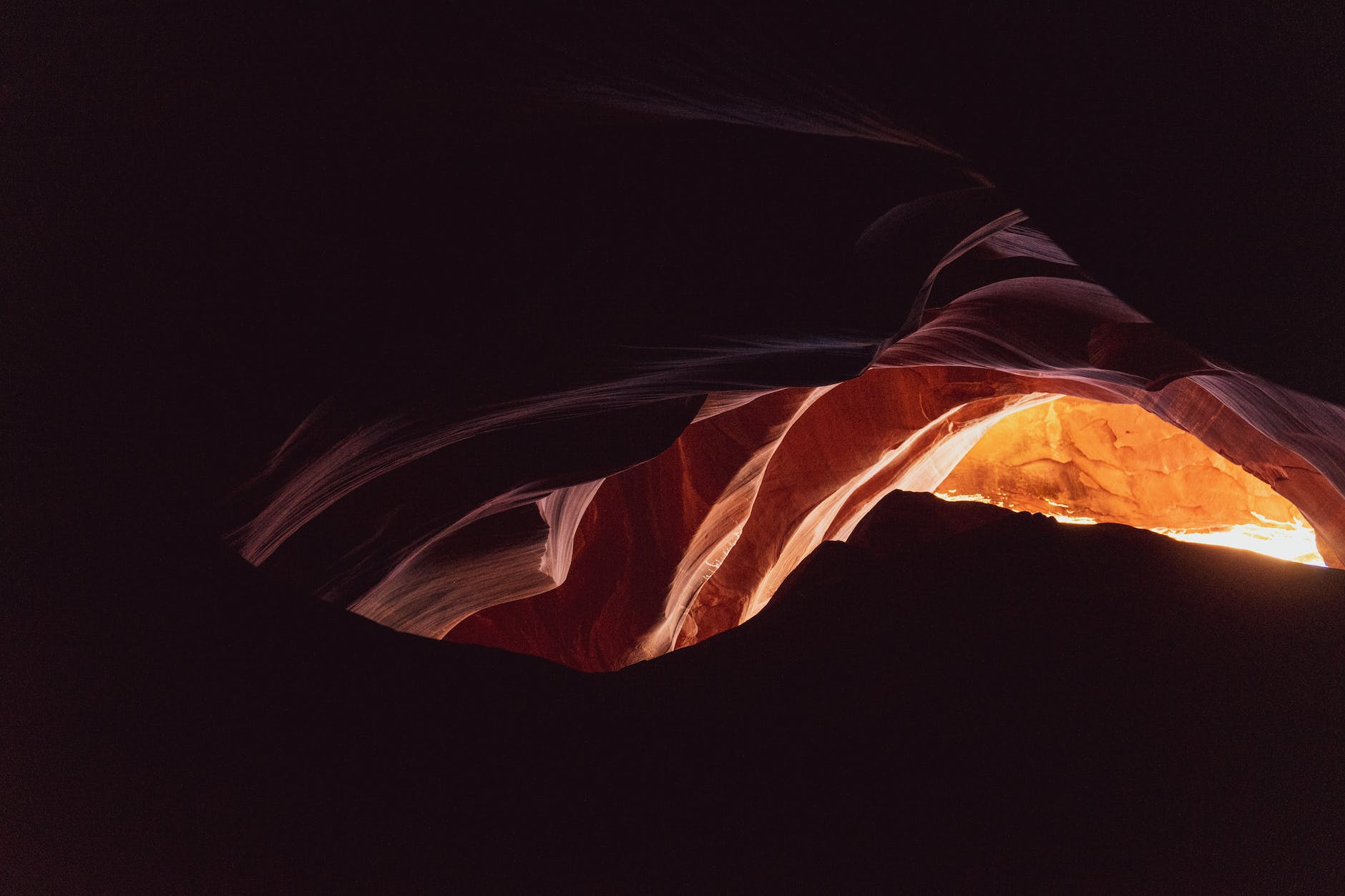
How far will Greece have to go before we are drawn to the Cave where the infant sleeps? The convergence of miraculous, fantasy, philosophy, power, frailty. This small cave where all of religion, myth, and philosophy fit into, yet no other myth or philosophy can hold. Greater, grander, and fuller than anything ever known.
God become a cave-man that a cave-man could become a god.
 Keith G. Alderman